Recording, Mixing and Mastering
YES – Aurora
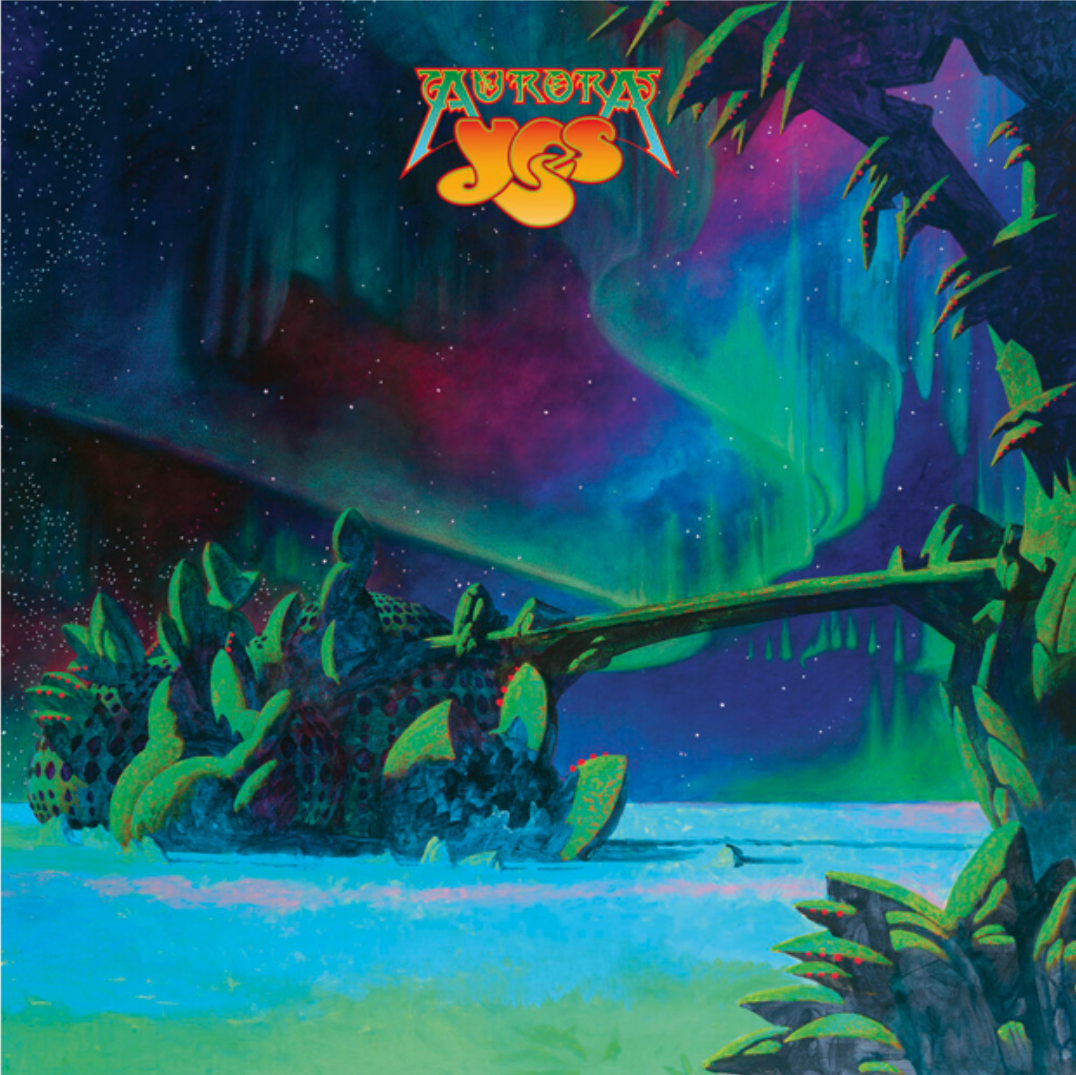
A behind-the-scenes look at the recording, mixing, 5.1 surround, Dolby Atmos and mastering work behind YES’s 2026 album Aurora.
Aurora (2026) is the third consecutive YES album completed at Curtis Schwartz Studio, following recording, stereo mixing, 5.1 surround, Dolby Atmos mixing and mastering through to final delivery in February 2026.
Album artwork for YES’s Aurora, with artwork by Roger Dean
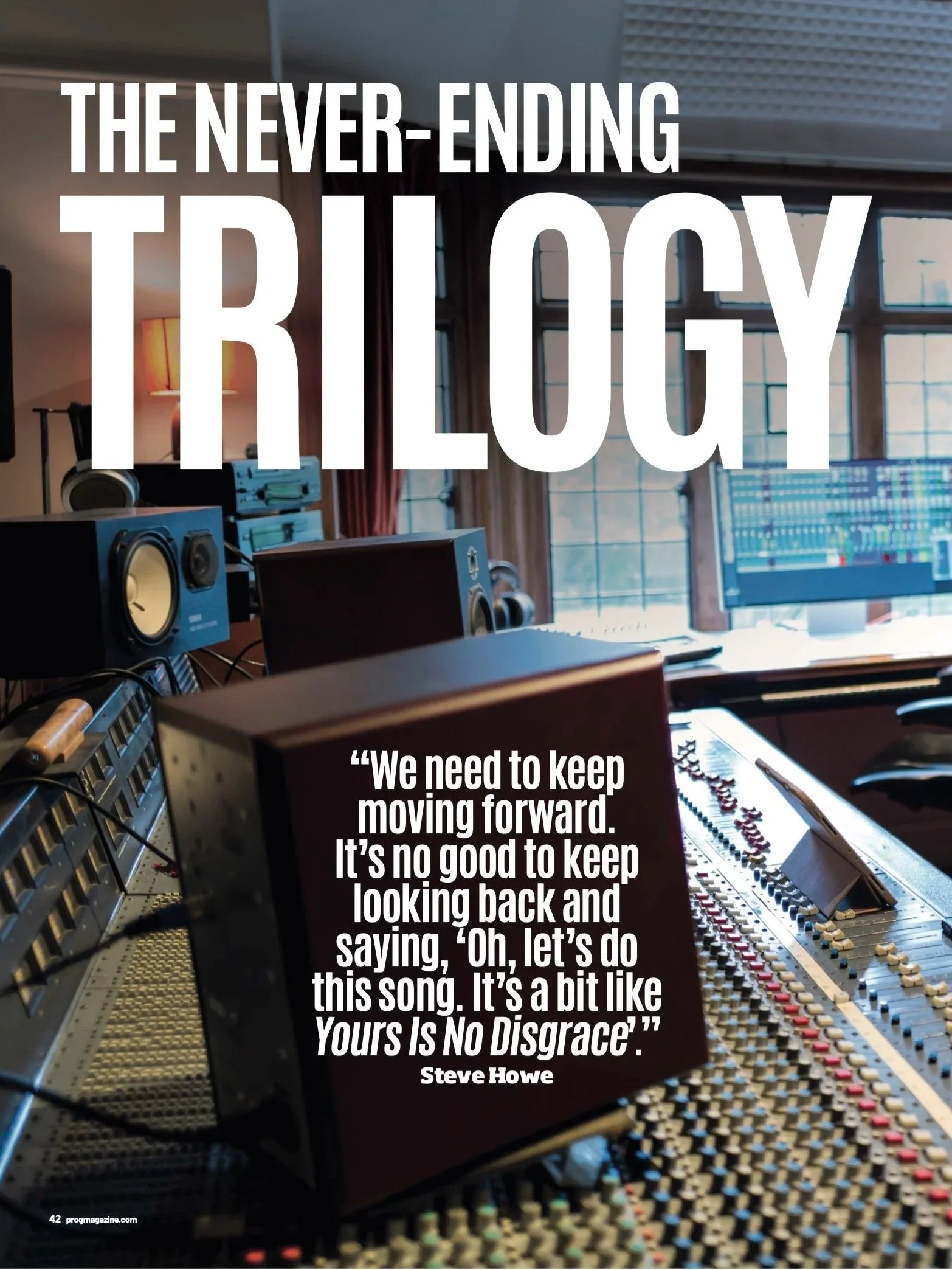
Featured in Prog Magazine
Prog, Issue 171, pages 42–45. Feature by Stephen Lambe. Studio photography by Curtis Schwartz.
Press mentions
Early reaction to Aurora has been incredibly encouraging, with praise for the music, the production, and the album’s spacious sound across stereo, 5.1 and Dolby Atmos -
Far Out Magazine
“Aurora is stunningly mixed and mastered.”
The Afterword
“The first two Atmos mixes sound celestial.”
The Prog Report
“Every instrument has space.”
Sonic Perspectives
“Clear and well-balanced — nothing buried, nothing overwhelming.”
Now Spinning Magazine
“It is uplifting, beautifully produced, full of melody and light.”
“This is an album that feels made for surround sound.”
Prog / Louder Sound
“Carefully crafted and beautifully produced.”
Forgotten Scroll
“Magnificent.”
“A genuine renaissance.”
Listeners online
“A fantastic album and a worthy addition to an already amazing catalogue.”
“The best YES sound in years.”
“Absolutely made for Atmos.”
“Beautifully detailed.”
— Comments from listeners and YES fan communities following the release of Aurora
Following its release, Aurora reached No. 3 on the Official UK Rock & Metal Albums Chart. It was a wonderful moment for the band, and a reminder of YES’s extraordinary chart history, stretching back to albums such as Drama, which reached No. 2 on the UK Official Albums Chart in 1980.
At a glance
Artist: YES
Album: Aurora
Studio: Curtis Schwartz Studio
Work handled: Recording, stereo mixing, 5.1 surround, Dolby Atmos mixing and mastering
Formats delivered: Stereo, 5.1 surround, Dolby Atmos, CD, vinyl, streaming and Blu-ray
Continuity: Third consecutive YES album at Curtis Schwartz Studio
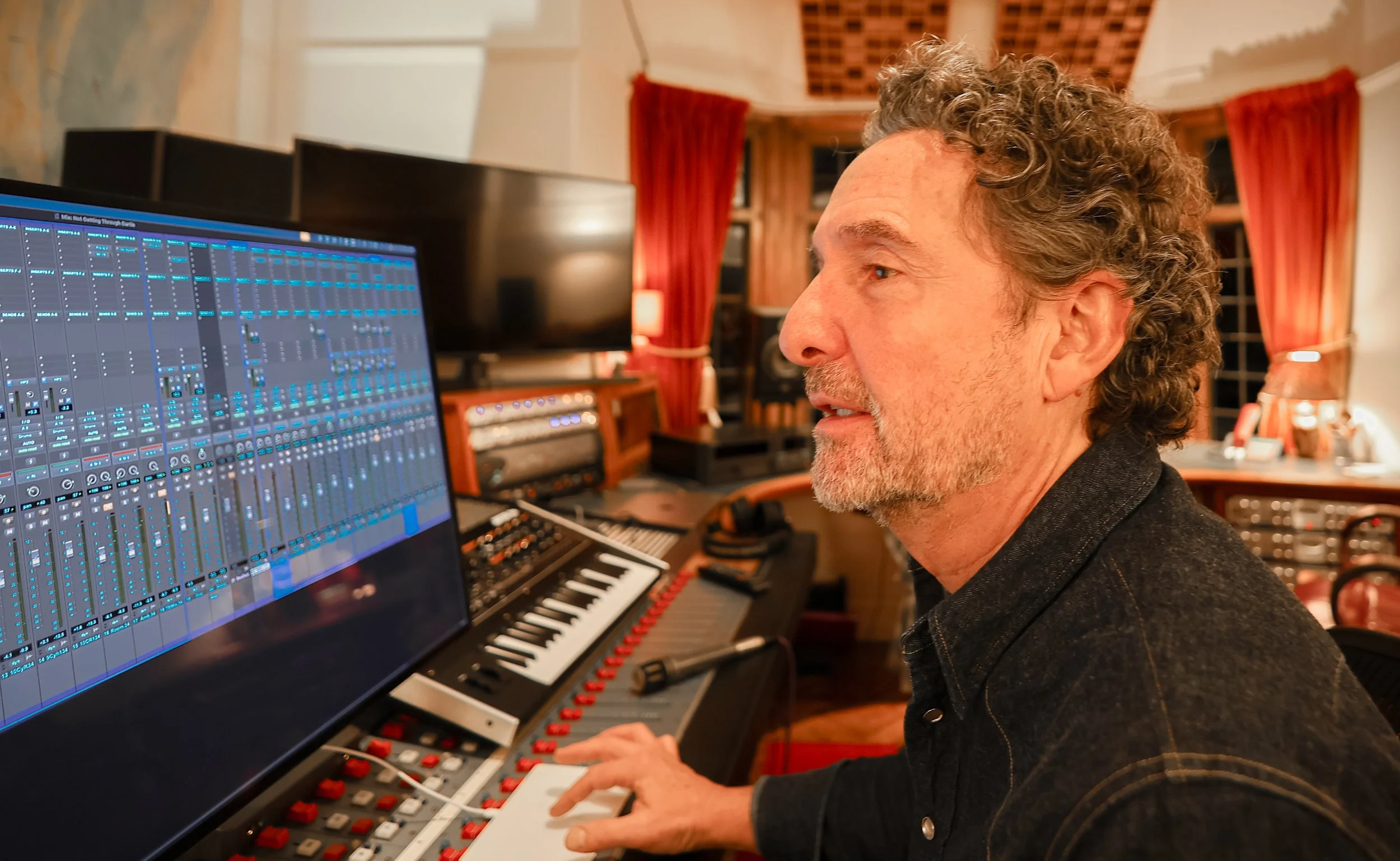
Curtis Schwartz at work during the Aurora sessions.
Overview
Aurora continued a long-term working relationship with YES, spanning recording, stereo mixing, 5.1 surround, Dolby Atmos and mastering.
The job was not simply to make the record sound impressive. It was to help it arrive at its final identity with clarity, scale and cohesion intact.
How the album came together
One of the most distinctive things about Aurora was the way it was built from more than 300 musical motifs, sections and fragments. Steve Howe guided the overall vision, while the material was shaped, organised and integrated into complete musical works over time.
In that sense, the process became quite sculptural. Ideas were edited, combined, refined and rebalanced until the final compositions emerged. It was not the kind of album that appeared in a neat straight line from first idea to final master.
Steve, Jon, Geoff, Billy and I first developed and assembled the songs here. Once the structures were established, Jay Schellen recorded the drum performances in Los Angeles to the almost-completed tracks we had prepared. We then integrated those drums and refined the arrangements as needed. Paul K. Joyce joined the process as string arranger.
Part of the work is technical, of course. But part of it is simply knowing when to push, when to hold back, and when to stop everybody disappearing down an interesting but not especially useful rabbit hole.
Inside the sound
Geoff Downes played a wide range of instruments during the sessions, including the Hamburg Steinway Model D, Hammond organ through Leslie speakers, and software instruments triggered from the master keyboard in the control room.
Billy Sherwood also added a great deal of percussion here, including tambourines, shakers, bongos and cowbells, giving many of the tracks extra movement and texture.
Mixing across formats
The aim was never to make stereo, 5.1 and Dolby Atmos feel like three different productions. The job was to carry the same musical identity across each format, with different degrees of space and scale.
With the Atmos mix, the goal was to enhance the album rather than radically change it: fuller, wider and more immersive, while staying faithful to the stereo balance and never at the expense of the music itself.
“The Dolby Atmos mix of Aurora is absolutely wonderful — far beyond what I had imagined.”
— Shin Katayama, music producer, A&R and music journalist, Tokyo
The extra space was used mainly to let reverbs, ambience and supporting elements expand around the listener, with occasional guitars, keyboard pads and backing vocals appearing subtly at the sides or behind.
The format should help the music breathe, rather than draw attention to itself as a novelty.
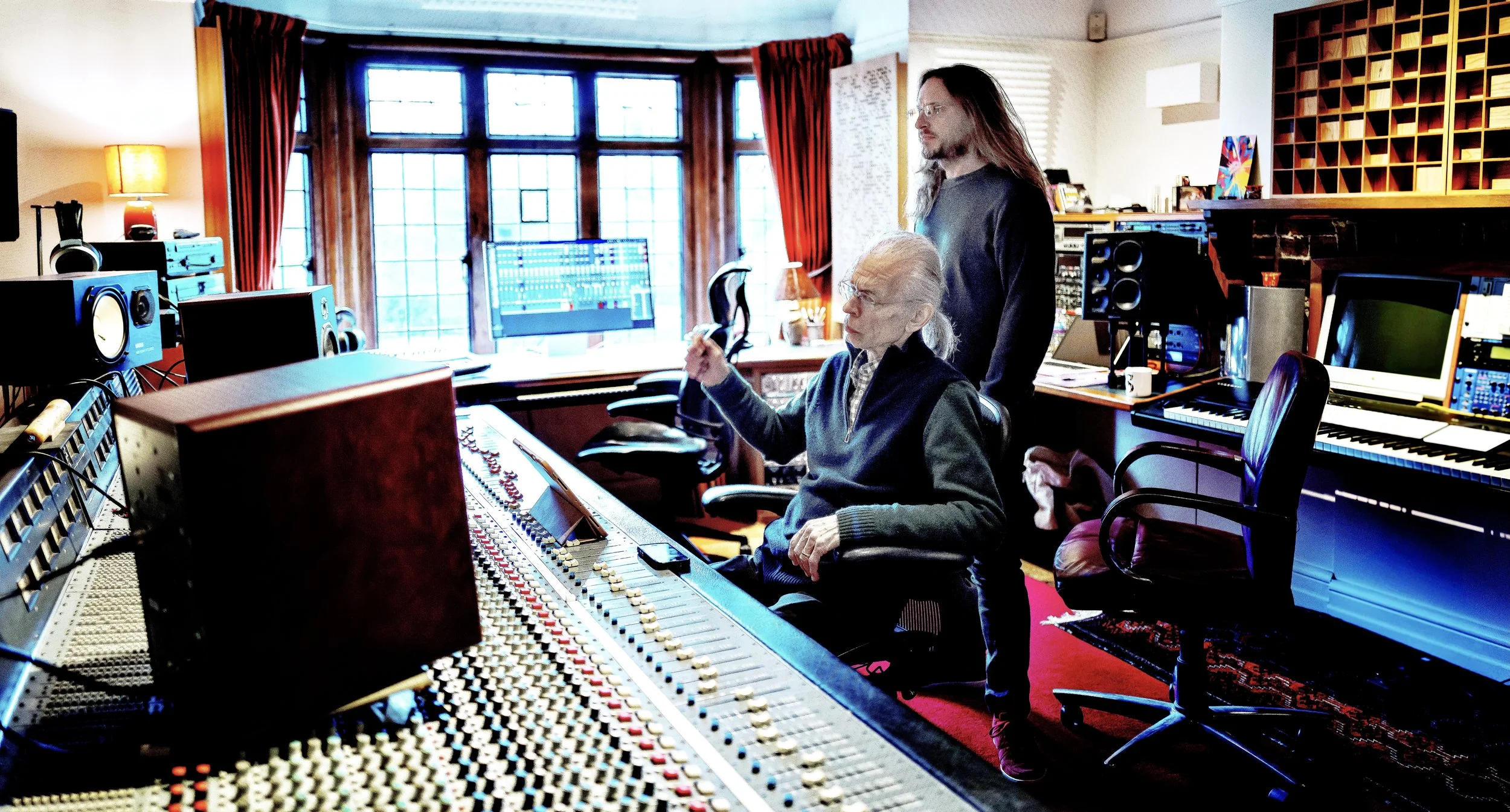
During the sessions
A moment from the Aurora sessions.
Why residential studios matter
Some records benefit from a more contained way of working. When people can stay close to the music, and close to each other, the process often becomes more focused, more natural and more productive. Ideas can continue over a meal, in conversation, or simply by being in the same environment long enough for the work to deepen.
YES have a long history of making records in residential studios. In that sense, Aurora continues an established tradition, and becomes the third YES album in a row to be made here at Curtis Schwartz Studio.
Residential studios have played an important role in the making of major records for decades. The point is not nostalgia. It is that music often benefits when the working day does not feel too fragmented, too rushed or too transactional. Sometimes the best decision of the afternoon begins over lunch rather than at the console.
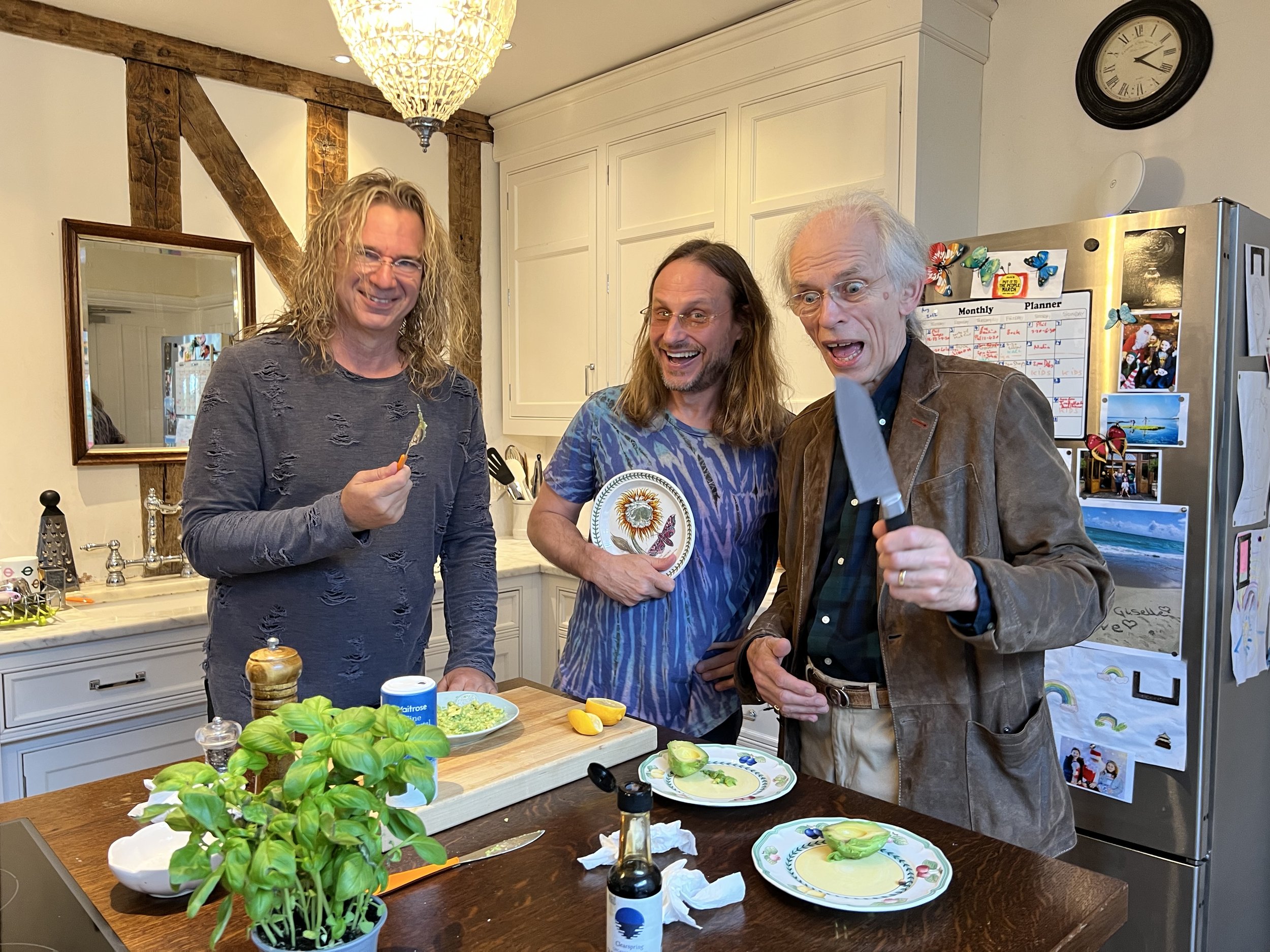
The value of a residential setting
Not every important production decision happens at the console. Some begin somewhere between the avocado and the lemon.
Continuity and trust
Projects like this benefit from continuity. When recording, mixing and mastering are handled with a joined-up understanding of the music, decisions can be made with more confidence, clarity and perspective. In this case, the working relationship goes back to 1991, giving the album a much longer context than a single project.
Aurora was recorded, mixed and mastered at Curtis Schwartz Studio, a private residential recording studio near London, offering recording, mixing, online mastering, Dolby Atmos mixing and mastering, and 9ft Steinway recording sessions.
Interested in working together?
For artists and labels looking for recording, mixing, mastering or immersive album delivery, the aim is always the same: to serve the music, protect the identity of the record, and deliver it beautifully across every format.
Stay in touch
Join the mailing list for occasional studio news, new projects and behind-the-scenes stories.
Related studio journal:
Why Dolby Atmos mixing can lead to better stereo mixes and higher royalties