The Surprising Truth About Dolby Atmos: Better Stereo, More Revenue
From a 7.1.4 music mixing studio: why Atmos can be quicker than you think — and why even rendered stereo playback can benefit too.
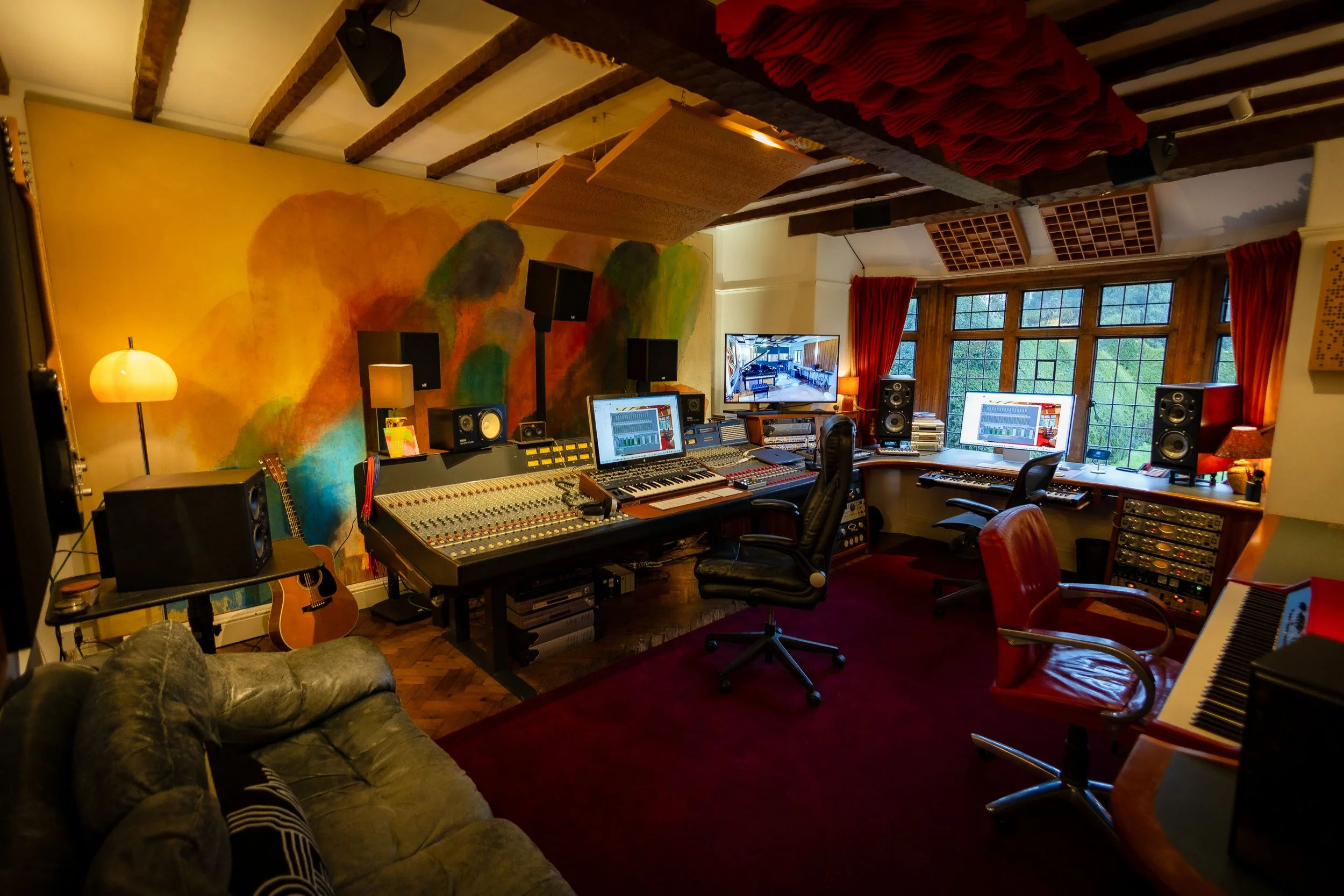
Dolby Atmos is not only about more speakers. It’s about more space — and even rendered stereo playback can benefit.
Ever sat there with a stereo mix, thinking, “I love all these parts — so why does it feel like they’re all elbowing each other?” Don’t worry, you’re not alone. But here’s the good news: Dolby Atmos might just be the polite bouncer your busy mix needs — no one gets kicked out, but everyone finds their own space.
First off, let me dispel the myth: doing a Dolby Atmos mix once your multitrack stereo mix is basically there is not rocket science. In fact, it’s more like adding an extension to a house you’ve already built. You don’t start from scratch. You simply start spreading things out into the Atmos playground. It’s like you’re giving your instruments permission to stretch their legs — “Go on, guitar solo, take the balcony!” Apple’s own guidance also makes clear that proper Dolby Atmos delivery has to come from multitracks, or stems created from multitracks, rather than from a finished stereo release.
Now, about that crowded-mix problem. Instead of choosing which precious element to sacrifice — and no one wants to be the villain cutting the synth line they love — Atmos lets you keep them all. You’re effectively rearranging them in 3D space. Dolby describes Atmos as an object-based format, which means different sounds can be placed around the listener in three dimensions rather than forced into one flat left-right picture.
And here’s the really interesting bit: when that Atmos mix is rendered back for everyday listening, some of those psychoacoustic cues can still help the mix feel more open and less crowded. Apple says Dolby Atmos music can create an immersive, three-dimensional experience on stereo headphones and speakers, and Dolby says its Renderer is designed to render the mix to different playback environments. So the conclusion I draw as a mixer is that Atmos can be especially useful when a slightly busy song is struggling for space in stereo — the rendered Atmos playback can give you more perceived space, even on a stereo system.
There's also a practical reason Dolby Atmos matters more now than many artists realise: Apple's ecosystem is designed to play it automatically in the right circumstances. On iPhone, iPad and Mac, Apple Music offers Automatic, Always On or Off for Dolby Atmos. In Automatic mode, supported songs play in Dolby Atmos automatically on compatible Apple and Beats headphones, and on supported built-in speakers. For many listeners, the Atmos version is no longer tucked away in a menu – it may well be the version they hear first.
That is why the Atmos mix deserves the same care as the stereo mix.
There is also a commercial incentive. According to Apple Music, Spatial Audio content receives a greater share of sound-recording royalties than content not available in Spatial Audio – by up to 10% under Apple's current royalty programme. Dolby Atmos releases may also benefit from prominent badging and inclusion in Spatial Audio features and playlists.
So Atmos can offer both creative and commercial advantages.
One final misconception is that creating a Dolby Atmos mix always means starting again from scratch. In some cases it does, but often it doesn't. If your multitrack stereo mix is already well developed, moving into Atmos can simply be the next creative step: the same performances, the same musical decisions, but with the freedom to place sounds more naturally in three-dimensional space. Dolby describes Atmos creation as working alongside existing DAW-based workflows rather than requiring a completely separate production process.
So, in short, Dolby Atmos is easier than many artists think. It can solve the "too many good parts" problem, it can make a busy mix feel more open, and it may also open up new commercial opportunities.
Dolby Atmos isn't just about more speakers. It's about giving music more space.
And in music, space is often what lets emotion come through.
See how these ideas came together while I mixed YES's Aurora.
